
One of the reasons I visit India so often, other than the fact I absolutely love the place, is all the new recipes I get introduced to. This sundal recipe is one I learned while travelling through Kerala and I could not wait to get back and show it to you.
When it comes to Indian festival food, few dishes capture the essence of tradition, health, and flavour quite like Sundal. A humble preparation made with legumes, coconut, and a simple tempering of spices, sundal is as nourishing as it is comforting. In this post, I’ll show you just how easy it is to make at home!

What Is Sundal?
Sundal is a South Indian snack or chaat made by boiling legumes, such as chickpeas, black chickpeas (kala chana) or green gram (moong dal and then sautéing them with a tempering of mustard seeds, curry leaves, dried red chilies, and grated coconut.
Unlike curries or stir-fries, sundal doesn’t have a gravy or a heavy base. Its deliciousness lies in its simplicity. The legumes are lightly seasoned, allowing their natural nutty flavour to shine while being enhanced by the fragrance of curry leaves and the sweetness of coconut.
Sundal is not just food! As I learned in Kerala, it’s part of their cultural and spiritual practices. Guests are offered small bowls of sundal as prasadam (sacred food). But beyond festivals, sundal is also enjoyed as a healthy snack or side dish. That’s how my wife and I enjoyed it as we don’t really do the religious festival thing.
Where in India Is Sundal From?
Sundal is most strongly associated with Tamil Nadu and the broader region of South India. In Tamil households, it’s a festival staple, though you’ll also find variations in Kerala, Karnataka, and Andhra Pradesh.
- Tamil Nadu: The most iconic version is chickpea sundal (kondakadalai sundal), offered during Navaratri.
- Kerala: Known for incorporating fresh coconut into almost every dish, Kerala-style sundal leans heavily on grated coconut.
- Karnataka: Sundal here sometimes includes a hint of jaggery for sweetness.
- Andhra Pradesh/Telangana: Versions may be spicier, with green chilies used in the tempering.
How Sundal Is Enjoyed?
- Festival Offering: Served as prasadam during Navaratri, Ganesh Chaturthi, or temple visits.
- Healthy Snack: A protein-packed, oil-light dish for mid-mornings or evenings.
- Tiffin Side Dish: Paired with idli, dosa, or pongal as a wholesome side.
- Travel Food: Since it’s dry and portable, sundal is often packed for journeys.
Children grow up eating sundal during festivals, while adults appreciate it as a guilt-free snack that satisfies hunger without being heavy.
Variations of Sundal
There are of course many variations of sundal but here are a few of the more popular versions.
- Moong Dal Sundal: Made with soaked split moong dal, lighter and quicker to prepare.
- Green Gram Sundal: Whole green gram for a slightly earthy taste.
- Black Chickpea Sundal: A Navaratri favourite with kala chana (black chickpeas).
- Sweet Sundal: Some households add jaggery and grated coconut, making a mildly sweet version.
- Mixed Sundal: Combining multiple legumes like cowpeas, chickpeas, and moong for variety.
Ingredients
Fresh ingredients are key to getting the best flavour from this sundal recipe. You’ll find the ingredients listed below, while the precise amounts are provided in the recipe card at the end of the page. For smooth cooking and the best outcome, it’s a good idea to have everything measured and prepared before you begin.

See recipe card for quantities.
- Coconut oil
- Black mustard seeds
- Cumin seeds
- White split urad dal lentils
- Fresh or frozen curry leaves
- Dried Kashmiri chillies
- Cooked chickpeas
- Ground turmeric
- Asafoetida
- Grated ginger
- Fresh grated coconut
- Salt and freshly ground black
- Juice of one lemon or lime
- Red sprur chilli
Step by step photos
Below, you’ll see step-by-step photographs to guide you through the recipe. At the bottom of the page, you’ll also find the full recipe card, which includes the complete list of ingredients and written instructions in an easy, printable format.

- Step 1: Heat the coconut oil over a high heat until it begins to glisten.

- Step 2: Add the mustard seeds and when they begin to crackle, stir in the urad dal. Brown it some and then reduce the heat to medium and add the cumin seeds.

- Step 3: Add the curry leaves and chillies and stir them around in the hot oil for about 30 seconds. Then stir in the ground turmeric and asafoetida followed by the grated ginger and coconut. Stir well to combine.

- Step 4: Add the chickpeas to the pan and stir them into the base ingredients to coat.

- Step 5: Once stirred, the chickpeas should be coated with the other ingredients.

- Step 6: Season with salt to taste and add the lime juice. Stir in the sliced red chilli.

- Step 7: This chaat is so easy and delicious. Serve hot from the wok or at room temperature.
Equipment
What do you serve with Sundal?
Curries: This is snack food so feel free to enjoy it with your favourite curry. Butter Chicken, Chicken Lababdar, Laal Maas and Lamb Dhansak
Rice Dishes: All of these side dishes will go great with sundal - Steamed Basmati Rice, Boiled Basmati Rice, Pilau Rice, Mushroom Fried Rice
Breads: Tandoori Naans, Tandoori Roti, Chapatis, Spiced Chapatis, Stovetop Naans
Dals: Chana Dal, Tarka Dal, Spinach Dal, Dal Makhani
Storage Instructions
Sundal is best enjoyed fresh, but it can be stored safely.
- At Room Temperature: If served during festivals or while traveling, it can sit out for 6–8 hours.
- In the Fridge: Store in an airtight container for 2–3 days.
- Freezing: Not recommended, as the coconut loses freshness and the legumes can turn mealy.
Reheating
Avoid overcooking: Reheating too long can make legumes hard.
Stovetop: Warm gently in a pan with a few drops of oil.
Microwave: Heat for 20–30 seconds. Add a splash of water if it looks dry.
Top Tip
Play with seasoning: Add lemon juice, a pinch of sugar, more chillies or even black pepper to tweak the flavour. Taste as you go. This sundal recipe will get you started but you can and should experiment.
FAQ
Yes, you can skip oil and dry-roast the tempering ingredients, though some fat helps carry the flavours.
Chickpeas, black chickpeas, green gram, or moong dal are most common. Each offers a slightly different taste and texture.
No, sundal is mildly spiced. Chillies add aroma rather than heat. You can adjust the spice level to taste though. Like it spicy? Go for it.
Not at all! I use them for ease sometimes as in this recipe. If you would rather cook dried chickpeas, that would be even better. Just be sure to soak the chickpeas overnight and don't overcook them. The chickpeas should not be at all mushy.
Fresh coconut is ideal for authentic flavour. If unavailable, use frozen grated coconut (thawed). Desiccated coconut is less traditional and not as good but you could use that too.
Related
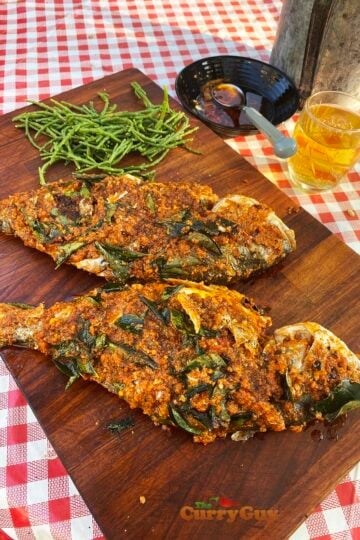
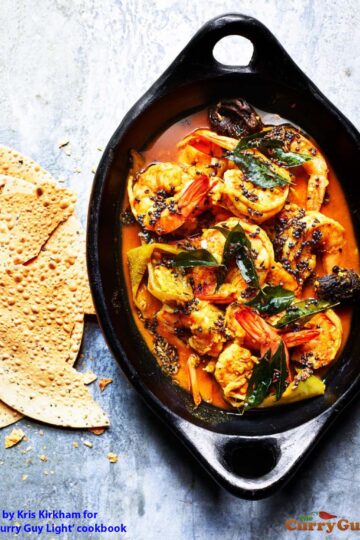
My Keralan style sundal will go nicely with any of these Keralan classics


Pairing
Sundal is snack food. Although it might not be traditionally eaten with the following snacks, I can confirm it is delicious with them!


Have you tried this sundal recipe?
If yes, please give it a star rating in the recipe card below and leave a comment. I love receiving your feedback and I’m sure other readers of my blog do too. Thank you.
If you are not already doing so, please follow The Curry Guy on Instagram and Facebook for all our latest recipes.
A Quick and Easy Sundal Recipe

Ready in minutes! This easy sundal recipe is one you need to try soon. It's a delicious and healthy snack that also happens to taste out of this world amazing!
Ingredients
- 1 1/2 tbsp coconut oil
- 1 tsp black mustard seeds
- 1/2 tsp cumin seeds
- 1 tsp white split urad dal lentils
- 20 fresh or frozen curry leaves
- 3 dried Kashmiri chillies, torn into three pieces each
- 400g (1 1/2 cups) cooked chickpeas
- 1/2 tsp ground turmeric
- 1/2 tsp asafoetida
- 1 tbsp grated ginger
- 4 tbsp fresh grated coconut
- Salt and freshly ground black pepper to taste
- Juice of one lemon or lime
- 1 red sprur chilli, thinly sliced
Instructions
- Heat the coconut oil over a high heat until it begins to glisten.
- Add the mustard seeds and when they begin to crackle, stir in the urad dal. Brown it some and then reduce the heat to medium and add the cumin seeds.
- Add the curry leaves and chillies and stir them around in the hot oil for about 30 seconds.
- Then stir in the ground turmeric and asafoetida followed by the grated ginger and coconut.
- Stir well to combine. Add the chickpeas to the pan and stir them into the base ingredients to coat. The chickpeas should be coated with the other ingredients.
- Season with salt and pepper to taste and add the lime juice. Stir in the sliced red chilli.
Recommended Products
As an Amazon Associate and member of other affiliate programs, I earn from qualifying purchases.


Nutrition Information:
Yield:
6Serving Size:
1Amount Per Serving: Calories: 244Total Fat: 11gSaturated Fat: 6gTrans Fat: 0gUnsaturated Fat: 3gCholesterol: 17mgSodium: 395mgCarbohydrates: 26gFiber: 6gSugar: 6gProtein: 12g


Leave a Reply